



Keeping Your Dog Safe This Thanksgiving: What Chicago Pet Parents Need to Know

Thanksgiving brings families together for food, celebration, and gratitude. For dog parents, the holiday also creates real safety concerns. Between toxic foods within reach, anxious dogs overwhelmed by guests, and doors opening constantly, keeping your dog safe on Thanksgiving may need planning. Sometimes it requires tough decisions.
Whether you are hosting a gathering, traveling, or having a quiet dinner, understanding the risks helps you choose what is best for your dog. Some dogs do well at home with the right management. Others are safer spending Thanksgiving in a calm boarding environment away from the chaos. This guide gives Chicago dog parents practical, step-by-step help for both paths.
Understanding Thanksgiving Safety Risks for Dogs
Thanksgiving presents more hazards for dogs than almost any other day of the year. Rich foods, increased activity, and disrupted routines create opportunities for accidents and emergencies. Food toxicity is common during the holiday weekend, and anxiety or overstimulation can lead to door dashing, defensive snapping, or self-injury. Understanding these risks helps you decide honestly whether home will be safe for your dog—or whether boarding is the better choice for this year.
Toxic Thanksgiving Foods That Threaten Dog Safety
 Even small amounts of certain foods can cause serious harm. Knowing what foods to keep out of reach of dogs is a simple way to prevent an emergency.
The Most Dangerous Foods
- Turkey bones – Splinter and can puncture the digestive tract.
- Onions and garlic – Damage red blood cells and can cause anemia.
- Grapes and raisins – Can cause kidney failure.
- Chocolate – Theobromine can trigger seizures and heart issues.
- Xylitol – Artificial sweetener that can be fatal due to hypoglycemia and liver failure.
- Alcohol – From baking, cooking wines, or unattended drinks.
- Macadamia nuts – Can cause vomiting, weakness, and tremors.
- Raw bread dough – Expands in the stomach and produces alcohol during fermentation.
High-Fat Foods That Can Trigger Pancreatitis
Turkey skin, dark meat, ham, gravy, and rich sides aren’t toxic but they’re heavy on fat, and fat spikes can trigger pancreatitis, which is painful and often requires emergency care. The safest plan: stick to your dog’s normal diet; if you want them to “join,” offer a tiny portion of plain, unseasoned turkey and dog-safe vegetables in their own bowl at their regular mealtime.
Why Thanksgiving Tables Are Especially Risky
Hosts juggle dishes, guests, and conversation. Preventing access to dropped food, loaded plates at kid height, and open trash becomes difficult. If your dog is a practiced counter-surfer or trash-raider, assume they’ll try on Thanksgiving, and plan accordingly.
When Keeping Your Dog Home Is the Safer Choice
Many dogs are most comfortable at home, especially when the gathering is small and familiar.
Dogs Who Handle Holidays Well
Dogs with a reliable recall, an established safe space, and minimal anxiety often do well at home with supervision. Older, calmer dogs may prefer their usual routines; for them, a familiar nap spot can be less stressful than boarding. Well-socialized dogs who’ve succeeded at past gatherings typically do fine again with the same precautions.
The Management Reality
Safe holidays at home still require effort. You’ll need a plan for food control, door management, and regular decompression breaks. If hosting already stretches you thin, assign a dedicated “dog manager” so safety doesn’t slip and your dog gets timely breaks from the action.
Creating a Safe Environment for Dogs at Home During Thanksgiving
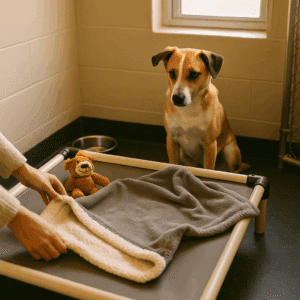
A safe Thanksgiving at home starts with structure. Before guests arrive, set up a quiet retreat, plan exercise, and decide who is in charge of your dog. The steps below keep food, doors, and excitement under control so your dog can relax—and you can host without constant worry.
Set Up a Safe Space Before Guests Arrive
Choose a quiet room away from the main area. Add a comfortable bed, favorite toys, fresh water, and calming sound (music or white noise). Make the space off-limits to guests, and practice sending your dog there with positive reinforcement so it feels rewarding.
Exercise Your Dog Thoroughly
A long morning walk, park time, or extended play session helps your dog stay calmer. If your dog attends daycare services, schedule a session the day before Thanksgiving so they’re well-exercised in advance (daycare is closed on Thanksgiving Day).
Assign One Person as Dog Manager
Pick one adult to monitor stress, provide breaks, and prevent access to hazards. Clear ownership prevents “I thought you had her” supervision gaps, and it ensures your dog gets quiet time before stress spikes.
Secure All Food and Trash
Keep dishes out of reach, use lidded/locking trash cans, take trash outside promptly, and keep countertops clear of toothpicks, skewers, and string. If kids are present, set a hard rule that plates stay at the table.
Create a Door Management Plan
During arrivals and departures, keep your dog in their safe space, use a baby-gate buffer at exits, or hold a leash. Consider a temporary “airlock” using two gates for dogs who bolt. Post a “Do Not Enter—Dog Inside” sign on the safe-space door.
Communicate Clearly With Guests
Tell guests the rules: no table scraps, no coaxing from the safe space, and ask before petting. Keep a bowl of dog-safe treats by the door so helpful guests have a safe way to greet without feeding from the table
Managing Dog Anxiety During Holiday Gatherings
Holiday sights, sounds, and crowded spaces can overwhelm even well-mannered dogs. Anxiety isn’t just discomfort, it can lead to door-dashing, snarling when cornered, or stress-related illness. Set expectations early, watch for the signs below, and give your dog quiet breaks. If distress continues despite your efforts, boarding may be the safer choice.
Recognizing the Warning Signs
Panting when not hot, pacing, stiff body language, tucked tail, lip licking, whale eye, hiding, or repeated attempts to leave the room all indicate rising stress. When you see these, give your dog a quiet break immediately in their safe space with calming enrichment.
When Anxiety Becomes a Safety Risk
Dogs who panic or guard food/people become unpredictable in chaos. If your dog has fear-based aggression or significant stranger anxiety, boarding may be kinder and safer than forcing them through a party. Safety comes first—for guests and for your dog.
Supporting Mild Anxiety at Home
Keep routine: on-time meals, normal walks, and predictable bedtime. Use enrichment (lick mats, stuffed Kongs) in the safe space during peak noise. Never force greetings; let your dog choose if/when to approach. Reward calm behavior and voluntary check-ins.
Making the Honest Assessment
Large guest lists, loud environments, or visiting toddlers who may ignore rules can overwhelm sensitive dogs. In these cases, boarding is often the safer, lower-stress option for everyone—and it frees you to host without splitting attention.
When Boarding Is the Safer Choice for Your Dog

Some holiday setups carry more risk than you can manage at home—crowded rooms, nonstop food within reach, unpredictable guests, or travel that disrupts routine. Choosing a professional boarding environment isn’t “giving up”; it’s a protective, compassionate decision.
If You Are Traveling for Thanksgiving
Boarding is usually safer than leaving your dog with friends who may not know their needs, restrictions, or triggers—and reputable facilities have training and emergency protocols you can verify. For quick reference, see K9U’s boarding kennel checklist and the guide to choosing the best boarding in Chicago.
Dogs With Behavioral Challenges
Severe anxiety, aggression issues, or intense food motivation add risk at home during parties. A structured boarding environment removes key triggers and provides controlled activity with experienced staff.
Large Gatherings With Unpredictable Guests
If you can’t supervise consistently while hosting, boarding provides continuous, professional oversight so you can focus on guests without compromising safety.
Food-Motivated Dogs
Counter-surfers and trash-raiders face dozens of temptations on Thanksgiving. Even perfect plans can fail when attention is divided. Boarding removes the opportunity entirely.
New Dogs or Puppies
New pets are unknowns in high-stimulus settings. Boarding offers a safer first holiday experience while you learn their triggers and coping skills.
Honoring Your Dog’s Mental Wellbeing
If the situation will be distressing, boarding is a caring, responsible decision that prioritizes emotional health—not just physical safety.
What To Look for in Safe Holiday Boarding
Not all boarding facilities follow the same standards. Before you book, confirm how the team supervises dogs, what health rules they enforce, and how they handle emergencies and daily enrichment. Clear policies—and clear communication—are the best signs your dog will be safe and comfortable.
Staffing and Supervision
Ask about staffing hours, overnight oversight, checks during the day/night, and how play groups are monitored. Clarify staff-to-dog ratios during peak holiday periods and how often staff do visual rounds.
Health and Safety Protocols
Confirm vaccination requirements (rabies, distemper/parvo, Bordetella; canine influenza often recommended), sanitation practices, and disease-response policies. Ask how they isolate and manage symptomatic dogs.
Training Evaluation
Quality providers learn about your dog before group play and recommend the right fit. At K9U, schedule a training evaluation to determine social suitability and the best training/boarding path.
Emergency Procedures
Ask about relationships with 24-hour emergency veterinarians and how the facility will reach you if something happens. Verify they keep your vet info and multiple contacts on file.
Exercise and Enrichment
Look for daily play, walks, and structured activities, not just kennel time. If your dog is reactive or needs a quieter plan, K9U offers boarding & daycare for reactive dogs with separated areas and one-on-one options.
Communication During the Stay
Ask how often to expect updates (photos/videos), who to contact with questions, and typical response times. To prep, review K9U’s Boarding FAQ before booking.
K9U Chicago’s Approach to Thanksgiving Boarding Safety
24/7 Boarding Care, Even on Thanksgiving
Boarding dogs receive continuous care day and night throughout the holiday weekend. The front desk is closed for pick-ups and drop-offs on Thanksgiving Day, but staff remain on site and all boarding care continues. Full details and current pricing are on the Dog Boarding page.
The Thanksgiving Dinner Party
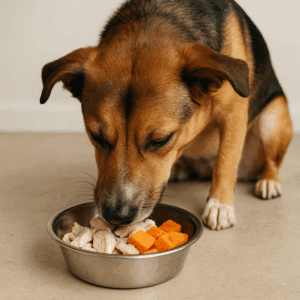 One of the most unique features is K9U’s Thanksgiving dinner for dogs. While you’re enjoying turkey and sides with your family, your dog can have their own special meal.
The canine Thanksgiving dinner typically includes dog safe turkey, sweet potato, and pumpkin, though the menu may vary from year to year. Every participating dog receives their own meal, and owners get a photo or video of their pup enjoying the feast.
This special touch helps your dog feel included in the holiday spirit. The Thanksgiving dinner party is available for a small additional fee, typically in the range of $15 to $20 s. For exact pricing and to add this experience to your dog’s boarding reservation, contact K9U directly.
Comfortable Accommodations
Choose standard kennels or upgrade to deluxe comfort options for extra space and quieter stays, helpful for dogs who benefit from more privacy. Photos and specifics are on the Boarding page (linked above).
Socialization and Individual Care
Social dogs (post-evaluation) can enjoy group play; dogs who prefer solo time get one-on-one enrichment. For seniors who need gentler pacing, K9U offers senior-friendly daycare & boarding tailored to lower-energy pups.
Special Holiday Touches
Optional extras like bedtime treats and calm enrichment keep boarding dogs content. If unexpected travel pops up, K9U offers emergency/last-minute boarding during business hours (subject to availability). Also deluxe Boarding is available.
Planning Ahead Is Essential
Holiday capacity fills quickly. Reserve early and confirm drop-off/pick-up timing (client pick-ups/drop-offs pause on Thanksgiving Day). For non-holiday transport, check the Dog Shuttle service areas.
Making the Right Safety Decision for Your Dog This Thanksgiving
Choosing between home and boarding isn’t about being a “good” or “bad” dog parent—it’s about matching your dog’s needs to the reality of your holiday plans. Consider your guest count, your dog’s behavior around food and strangers, how much supervision you can truly provide, and whether travel will disrupt routines. Use the checklist below to pick the safest, calmest option.
How To Decide: Home or Dog Boarding
Ask yourself: Will my home be safe with the number of guests I expect? Can I realistically supervise? Does my dog have anxiety or a history of stealing food? Am I traveling, and can a caregiver truly follow my dog’s needs? If you’re unsure, reach out via Contact K9U Chicago for guidance on fit and availability.
Committing to Home Management
If you keep your dog home, plan for pre-guest exercise, a clearly defined safe space, food/door control, and decompression breaks. Be ready to remove your dog from situations if they show stress—even if guests are disappointed.
Recognizing Boarding as a Responsible Choice
Choosing boarding can be the safest, kindest option. You’re placing your dog in professional care and removing high-risk triggers that are hard to control in a busy home.
Preparing in the Final Days Before Thanksgiving
The last 48–72 hours are where small details prevent big problems. Lock in your plan (home or boarding), gather supplies, and practice key routines.
If Your Dog Is Staying Home
Do a trial run of the safe space and door plan. Review which planned dishes are toxic to dogs. Prep enrichment (e.g., stuffed Kongs/lick mats) so your dog can decompress during the meal, and set reminders for regular potty breaks.
If Your Dog Is Boarding
Confirm reservation and drop-off time, share emergency contacts/vet info, label medications, and pack regular food in labeled containers. For more prep ideas, see K9U’s holiday boarding tips.
Travel Logistics
Remember that K9U is closed for client pick-ups and drop-offs on Thanksgiving Day (boarding care continues). Plan your timing for the day before and the day after; build in extra time for traffic and weather.
A Safe and Happy Thanksgiving for Everyone
With honest assessment and clear planning, you can avoid emergencies and help your dog feel secure. Chicago weather and city living add complexity, so plan a little more than you think you need.
From everyone at K9U Chicago, we wish you and your dog a safe, peaceful, and happy Thanksgiving. For questions about Thanksgiving boarding, the canine dinner party, or holiday daycare schedules, contact K9U Chicago.
Thanksgiving Dog Safety FAQs
What Thanksgiving foods are toxic to dogs?
Turkey bones, onions/garlic, grapes/raisins, chocolate, xylitol, macadamia nuts, and raw dough can cause life-threatening problems even in tiny amounts. Watch for vomiting, lethargy, tremors, or a swollen belly (with dough). If your dog eats any of these, contact your vet or an emergency clinic immediately—don’t “wait and see.
Should I board my dog for Thanksgiving if I am hosting guests?
Board if you can’t supervise closely, your dog is very food-motivated, or they’re anxious/reactive around crowds or kids. Boarding removes door-dash and table-scrap risks and gives your dog a predictable routine while you host.
How early should I book Thanksgiving boarding in Chicago?
Plan 3–6 weeks in advance; reputable facilities fill up fast for holiday weekends. If you’re late, join the waitlist and call—cancellations happen. Make sure vaccines and your training evaluation (if needed for group play) are completed before drop-off.
My dog is anxious or reactive. Can they still board safely?
Yes. K9U can create a quieter, individualized plan with one-on-one enrichment instead of group play. Share triggers, routines, and any calming tools that help at home; a training evaluation will determine if group activity is appropriate.
What should I look for in a Thanksgiving boarding facility?
24/7 staffing or clear overnight oversight, vaccination requirements, a pre-boarding training evaluation, written emergency procedures, daily enrichment, and reliable communication.
Does K9U Chicago offer anything special for dogs boarding over Thanksgiving?
Yes. Optional canine Thanksgiving dinner with dog-safe turkey and sides, bedtime treats, and photo or video updates. See dog boarding in Chicago and call our office for Thanksgiving dinner pricing.
Can K9U handle medications and special diets?
Yes. Bring meds in original containers with written instructions and your dog’s regular food (pre-portioned if possible). Note allergies so staff can adjust treats, and the Thanksgiving dinner add-on, appropriately. A small Fee applies for administering medicine. Please check our pricing for Additional Services & Fees – Daycare & Boarding.


 Free Training Evaluation