



Holiday Survival Guide for Chicago Dogs: Managing Safety Hazards and Seasonal Stress in Small Spaces

The holidays transform your Chicago condo into a winter wonderland. But for your dog, especially if they’re active or large, December can feel like navigating an obstacle course that keeps getting smaller.
That Christmas tree? A fascinating new toy. Chocolate on the coffee table? Dangerously tempting. The constant doorbell? Overwhelming.
Chicago dog owners face unique challenges during the holidays. Your 60-pound Lab has nowhere to escape when Uncle Bob wants to play. Your energetic Aussie can’t avoid the chaos in 900 square feet.
Add decorations, toxic foods, and the hustle and bustle of the season, and you have a recipe for disaster.
The good news? With some planning and smart strategies, you can help your dog stay safe and calm throughout the holidays.
Understanding Holiday Stress in Dogs
Dogs thrive on routine and predictability. December throws both out the window.
Your dog notices everything changing. Furniture gets rearranged to make room for a tree. Strange smells of pine and cinnamon fill the air. People come and go at unusual times. You’re up late wrapping presents when they usually sleep.
For an active dog in a small condo, there’s nowhere to decompress when things shift from calm to chaotic.
Common Stress Signals to Watch For
Your dog might show stress in several ways during the holidays:
- Panting more than usual when the temperature is comfortable
- Pacing around or having trouble settling down
- Hiding under furniture or in quiet corners
- Lip licking, yawning, or whale eye (showing whites of their eyes)
- Changes in appetite or bathroom habits
- Becoming extra clingy or withdrawing completely
Chicago’s urban environment can make things tougher. Hallways echo with neighbor celebrations. Delivery drivers ring doorbells constantly. Normal city sounds get layered with holiday chaos.
Why Small Spaces Amplify Holiday Stress
Size really matters when space is limited. A Chihuahua can tuck under the bed during a party. A German Shepherd doesn’t have that option.
Active breeds like Huskies, Labs, and retrievers need outlets for their energy. But winter weather and packed holiday schedules often mean fewer long walks. That pent-up energy has nowhere to go in a 900-square-foot condo.
Toxic Holiday Foods Dogs Must Avoid

Holiday foods can be dangerous for your dog. Gatherings mean platters on coffee tables, desserts cooling on counters, and guests who might not know your dog’s dietary rules.
The Chocolate Danger
Chocolate tops the danger list. According to the ASPCA Animal Poison Control Center, chocolate contains theobromine and caffeine, both toxic to dogs.
Dark chocolate and baking chocolate pose the biggest risks. Even milk chocolate can cause serious problems depending on your dog’s size and how much they eat.
Why Xylitol Is Dangerous
Xylitol might be the most dangerous substance in your home during the holidays. This artificial sweetener shows up in:
- Sugar-free candies and gum
- Baked goods
- Some peanut butter brands
It causes rapid insulin release in dogs, leading to life-threatening hypoglycemia. Just a few pieces of xylitol gum can be fatal to a medium-sized dog.
Other Dangerous Foods
Other holiday foods to keep away from your dog include:
- Grapes and raisins (cause kidney failure)
- Fatty foods like ham skin, gravy, turkey drippings (trigger pancreatitis)
- Onions and garlic (hidden in stuffing and sides)
- Macadamia nuts
- Alcohol
- Raw bread dough (yeast produces alcohol and causes dangerous bloat)
Creating a Food Safety Action Plan
Here are some strategies that work well for Chicago dog owners during gatherings:
- Give guests a heads-up that your dog shouldn’t get table scraps
- Get trash into a secure can your dog can’t access
- Set up a quiet space for your dog during heavy cooking times
- Daycare can be a lifesaver during busy prep days
Christmas Tree Dog Safety in Small Spaces
A six-foot tree in a small Chicago condo creates unique challenges. Your dog can’t really avoid it. The tree is right there in their limited space, smelling interesting and covered with dangly temptations.
Securing Your Tree Properly
Here’s how to help keep your tree standing:
- Anchor it to the wall or ceiling using fishing line or tree anchor straps
- Use a heavy weighted stand
- Position it in a corner rather than the middle of the room
An excited Lab can topple an unsecured tree with one enthusiastic tail wag. In a condo, there’s no separate “tree room” to close off.
It’s worth covering tree water completely. Many people add preservatives or fertilizers to keep trees fresh. Dogs love drinking from that base bowl, but tree water can contain bacteria, mold, and chemicals that cause vomiting and diarrhea.
Smart Ornament and Decoration Choices
Ornament placement takes some strategy:
- Hang fragile glass ornaments high where tails can’t reach
- Use shatterproof ornaments on lower branches
- We recommend skipping tinsel entirely (it causes intestinal blockages that often need surgery)
Holiday lights and decorations mean more electrical cords around your home. Dogs who chew cords risk electrical burns, seizures, or worse.
Try running cords behind furniture when possible, use cord protectors, and unplug everything when you’re not home.
Salt dough ornaments are risky. They smell like treats to your dog because they’re made from flour, salt, and water. The high salt content can cause sodium ion poisoning.
Holiday Plants That Harm Dogs
Some popular holiday plants can make your dog sick:
- Poinsettias (cause stomach upset and skin irritation)
- Holly (contains toxic saponins that cause vomiting and diarrhea)
- Mistletoe (can cause difficulty breathing, slowed heart rate, low blood pressure)
Alternative Tree Solutions
If you have an especially active dog in a small space, consider these alternatives:
- Wall-mounted Christmas trees (eliminate the tipping hazard completely)
- Tabletop trees placed on high, sturdy surfaces
- Focusing on wreaths and garland instead of a floor tree
Some Chicago dog owners with particularly boisterous dogs save the full tree experience for when their dogs mature a bit.
Holiday Visitor Dog Management Strategies
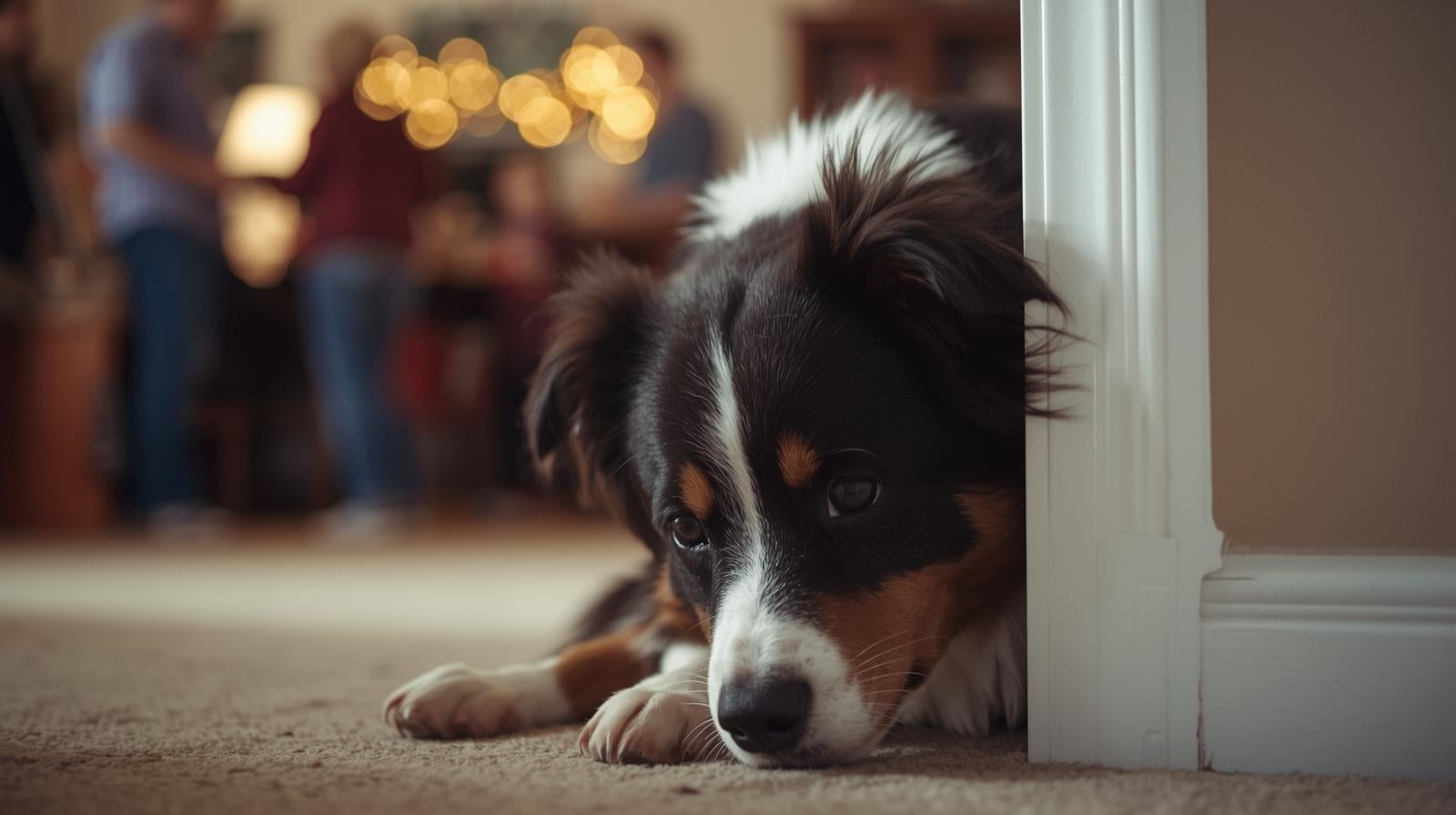
The doorbell rings. Your dog explodes into barking. Visitors enter with coats, bags, and excited voices. Your normally calm pup starts jumping on guests.
Welcome to holiday entertaining with dogs in small spaces.
Creating a Safe Space
Setting up a safe space before guests arrive can really help:
- Pick a quiet room where your dog can retreat when they need a break
- Set up their bed, favorite toys, and water
- Add a white noise machine or calming music
- Start training your dog to view this space positively now
Not every dog needs to greet every guest. If your dog gets overstimulated, it’s perfectly fine to keep them separated during the party.
Some dogs do better saying hello briefly, then heading to their safe space. Honor what works for your dog rather than forcing interactions.
Preparing Guests for Success
A quick text to guests before they arrive can prevent problems:
- Let them know your dog’s needs and boundaries
- Mention if your dog jumps, gets nervous, or needs space
- Ask guests to ignore your dog initially (this actually helps excitable dogs calm down faster)
- Request that they avoid feeding your dog or leaving bags on the floor
Managing Active Dogs During Parties
Active dogs have the hardest time because their normal outlets disappear. You can’t take a long walk while hosting. They can’t burn energy the way they usually do.
The result? A frustrated, overstimulated dog in an already chaotic environment.
Booking daycare for party day can be a game-changer. Your dog gets exercise and socialization while you host stress-free.
Supervising Children and Dogs
Children and dogs need some extra attention during holiday gatherings:
- Keep an eye on their interactions
- Help children learn to pet gently and avoid the face
- Encourage them to respect when the dog walks away
- Urban dogs might not be used to children’s energy levels
When Holiday Prep Dog Daycare Makes Sense
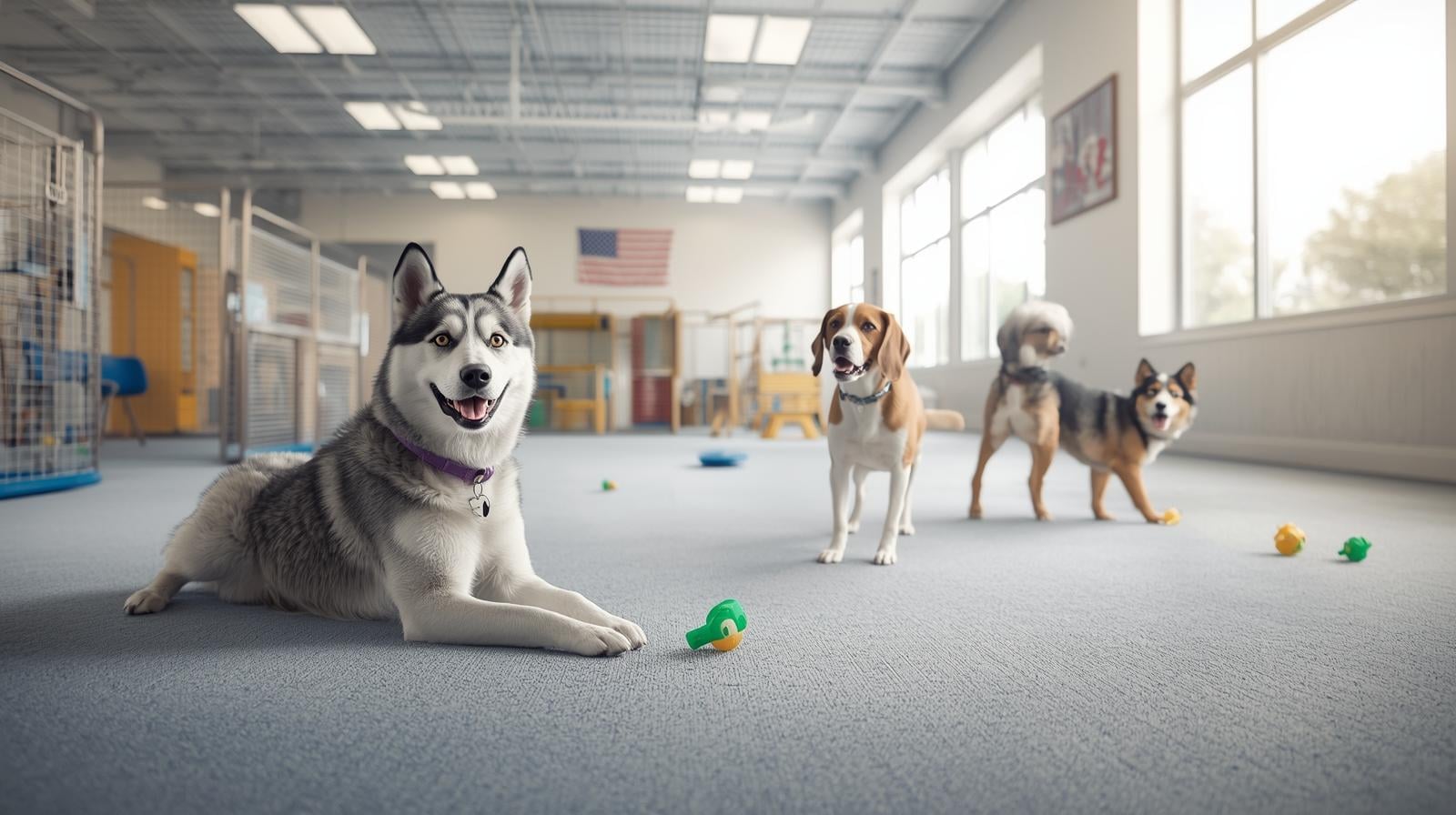
You’ve got three days to clean, cook, and decorate. Your energetic Boxer wants attention every ten minutes. The tree needs assembling. Cookies need baking.
Your dog wants to help with everything, usually by getting underfoot or sampling ingredients.
Why Prep Days Are the Hardest
Holiday prep creates stress for everyone. You’re rushing around and feeling irritable. Your dog picks up on your stress and either becomes clingy or acts out for attention.
In a small condo, you literally can’t escape each other. The kitchen, living room, and workspace all overlap.
How Daycare Solves Multiple Problems
Daycare during prep days can solve several problems at once:
- Your dog gets exercise, mental stimulation, and playtime with other dogs
- You get uninterrupted time to tackle your to-do list
- You don’t have to worry about them eating chocolate chips or tripping you while carrying a hot pan
Strategic Days for Daycare
Think about which days would help you most:
- The day before Thanksgiving or Christmas when you’re doing heavy cooking
- Decorating day when small ornaments and electrical cords are everywhere
- Days when you’re assembling furniture or deep cleaning with harsh chemicals
Your dog comes home tired and content. You got your tasks done efficiently. Your home is ready without the chaos of managing an active dog throughout.
K9U Chicago Daycare Features
K9U Chicago daycare welcomes all dogs:
- All breeds, temperaments, and sizes
- Separate play areas for different energy levels
- 7,000 square feet of indoor activity space
- Supervised activities throughout the day
- Transportation services available if you’re too busy for drop-off
When Boarding Becomes the Better Choice
Sometimes daycare during prep isn’t quite enough. Sometimes the entire holiday situation overwhelms your dog from start to finish.
That’s when boarding might make more sense than trying to manage everything at home.
Holiday Travel Situations
Boarding makes sense if you’re traveling. Many Chicago dog owners visit family out of state or take winter vacations.
Your dog faces either coming along (which can be stressful) or staying without you (also stressful). Professional boarding provides structure, care, and activities while you’re gone.
Extended Holiday Gatherings
Multiple-day gatherings can be tough on everyone. If relatives are staying at your condo for a week, your dog loses their safe spaces, routines, and calm environment.
Sensitive dogs, reactive dogs, or dogs uncomfortable with strangers might be miserable the entire time. Boarding gives them consistency while your home is chaotic.
Special Considerations for Seniors and Puppies
Senior dogs often need medication schedules and closer monitoring. Puppies require constant supervision and consistent training. Holiday chaos makes both situations harder to manage well.
What K9U Chicago Boarding Includes
K9U Chicago boarding offers:
- 24-hour staffing so your dog is never alone
- Daily indoor and outdoor play
- Comfortable accommodations
- Individual feeding schedules
- Medication administration when needed
- Special diet accommodations
- Extra attention for anxious dogs
The key is knowing your dog. Some thrive in holiday excitement. Others show stress. Some really struggle with any change to their routine.
There’s nothing wrong with choosing boarding during peak holiday stress. You’re making a thoughtful choice for their wellbeing.
Your Holiday Action Plan
Getting ahead of December chaos makes everything easier.
Book Early for Best Availability
Spots fill up quickly during the holidays:
- Training sessions to work on “place” and “leave it” commands
- Daycare spots for your busiest prep days
- Boarding reservations for travel dates
Book now and cancel later if your plans change. Better to have the backup secured.
Create Your Dog’s Schedule
Map out your dog’s holiday schedule:
- Mark prep days when daycare would help
- Note gathering dates when your dog needs a safe space
- Circle travel dates that require boarding
Having a plan reduces last-minute scrambling.
Prepare for Emergencies
Put together an emergency kit:
- Your vet’s contact information
- Emergency vet numbers for 24-hour clinics
- ASPCA Animal Poison Control Center: 888-426-4435
Keep it somewhere you can grab it quickly throughout the holidays.
Permission to Prioritize Your Dog
Give yourself permission to put your dog’s wellbeing ahead of tradition.
If your dog really struggles with Christmas trees, skip it this year. If parties overwhelm them, host differently or board them. Your dog’s safety and mental health matter more than any decoration or gathering.
The holidays should be joyful for every family member, including the four-legged ones. With some planning, awareness, and the right support, your Chicago dog can make it through the season safe, calm, and ready to celebrate with you.
Common Holiday Dog Questions Answered
What should I do immediately if my dog eats chocolate?
Call your veterinarian or ASPCA Animal Poison Control Center right away at 888-426-4435. Time is critical with chocolate poisoning, so don’t wait for symptoms to appear.
Have this information ready when you call:
- Type of chocolate (dark, milk, baking, white)
- Estimated amount your dog ate
- Your dog’s weight
- When they ate it
Dark chocolate and baking chocolate contain the highest levels of toxic theobromine and need the most urgent treatment.
Your vet might guide you to induce vomiting if the ingestion just happened (within the last two hours). They’ll let you know if it’s safe in your situation, since sometimes vomiting can make things worse.
Treatment might include activated charcoal to prevent absorption, IV fluids, and medications to control seizures or irregular heartbeat.
Symptoms usually show up within 6 to 12 hours: vomiting, diarrhea, restlessness, rapid breathing, increased heart rate, muscle tremors, and seizures. Severe cases can be fatal.
The faster you get help, the better your dog’s chances.
How do I secure a Christmas tree with a large active dog in a small condo?
Multiple security methods work best together.
Start with a heavy-duty weighted tree stand rated for your tree size. Add wall or ceiling anchors using fishing line or cable secured to eye hooks. Position anchors on at least two sides for triangulated support.
Place the tree in a corner rather than an open area. This limits how many sides your dog can approach and gives you natural wall barriers.
Try positioning furniture as additional barriers between your dog’s usual paths and the tree.
Think about your specific dog’s behavior. Tail wags at tree height? Anchor higher. Investigates everything nose-first? Focus your protection efforts at the base.
Work on a solid “leave it” command for two weeks before you even bring the tree home. This gives you a verbal tool when your dog gets curious.
Alternative solutions include tabletop trees on sturdy high furniture, wall-mounted half trees, or focusing on elaborate garland and wreath arrangements instead. Some Chicago dog owners with especially boisterous dogs save the full tree for a few years down the road.
Can holiday stress actually make my dog sick?
Yes, stress can trigger real physical health problems for dogs.
Chronic or intense stress suppresses immune function. This makes dogs more vulnerable to infections during an already challenging season.
The digestive system often reacts strongly to stress. Many dogs experience stress-induced diarrhea, vomiting, loss of appetite, or even stress colitis (which causes bloody stool and needs veterinary treatment).
Stress can also make existing conditions worse. Dogs with allergies might have more intense symptoms. Dogs prone to anxiety sometimes develop obsessive behaviors like excessive licking, which can lead to hot spots or skin infections.
Watch for these warning signs:
- Refusing meals for more than 24 hours
- Persistent diarrhea or vomiting
- Excessive panting or drooling that seems unusual
- Hiding for long stretches
- Aggressive behavior that’s out of character
- Excessive shedding beyond their normal seasonal changes
If stress symptoms stick around after the stressful event passes, or if your dog shows signs of illness, give your vet a call.
Sometimes the best solution is preventing the stress in the first place through boarding, daycare, or adjusting your holiday plans.
My dog snapped at a child during a party but has never shown aggression before. Should I be worried?
A stress snap during holiday chaos usually means your dog was communicating that their tolerance limit got exceeded. It’s not necessarily a sign of dangerous aggression, but it does deserve your attention.
Dogs typically give warning signals before snapping: turning their head away, lip licking, yawning, moving away from the situation, freezing in place, or showing the whites of their eyes.
In busy holiday environments, these subtle warnings often go unnoticed by both owners and children. When repeated warnings don’t work and the dog feels trapped (especially common in small spaces where there’s no escape route), a snap becomes their last communication tool.
Think about what was happening right before the snap:
- Was your dog cornered with no way out?
- Had children been bothering them for a while?
- Were there multiple stressors happening at once (noise, crowds, disrupted routine)?
- Was your dog showing earlier stress signals that got missed?
Understanding what triggered it helps you prevent future incidents.
Here’s what can help going forward:
- Separate your dog as soon as you notice early stress signals
- Create a reliable safe space your dog can access during gatherings
- Consider boarding or daycare for future large events if your dog showed multiple stress signs throughout the party
- Schedule a consultation with a professional trainer who works with stress management and child-dog interactions
This becomes especially important if you regularly have children visiting or if large gatherings are a regular part of your life.


 Free Training Evaluation